Why Hello Bluebird is a Designer's Secret for Fresh Branding
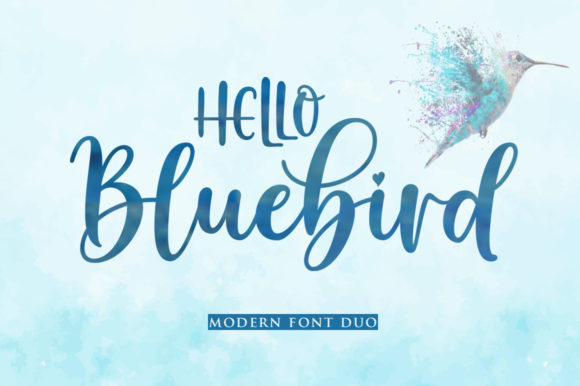
You know that moment when you find a font that just clicks? It feels modern but not cold, stylish but still approachable. That's the feeling Hello Bluebird brings to a project. It's a fresh, modern duo font pairing a graceful script with a clean sans serif, and it’s built for designers and creators who need their work to feel current and cohesive without spending hours on typography guesswork.
Let's break down what makes this typeface a practical tool for so many creative jobs. The script style has smooth, flowing curves that feel handcrafted but controlled. It avoids the overly swirly look that can date a design quickly. Paired with its companion sans serif, you get a complete visual language. The sans serif provides structure and readability, while the script adds personality and warmth. This combination is powerful because it solves a common problem: how to make something look both professional and personal at the same time.
A Font Built for Real-World Projects
Think about where you need that balance most. In fashion branding and editorial design, for instance, Hello Bluebird shines. Imagine a boutique clothing label's logo. The script could elegantly render the brand name, while the sans serif handles the tagline or website URL with clean precision. This pairing instantly communicates a sense of curated style and modern elegance. It’s the same logic that makes it perfect for packaging design—whether it’s a artisan coffee bag or a luxury candle box, the typography sets the tone before the customer even reads a word.
Beyond product-based branding, consider your digital presence. Your website is your hub, and consistency is key. Using Hello Bluebird for your main headlines and navigation creates a distinct brand identity that carries through every page. The sans serif ensures your body text remains highly readable on screens of all sizes, while the script can highlight special announcements or featured content. This approach to web design builds visual recognition; visitors start to associate that specific typographic style with your business.
From Social Feeds to Printed Materials
The practicality extends far beyond the screen. For social media graphics, where you have mere seconds to grab attention, the font's personality does the heavy lifting. Use the script for a bold quote in an Instagram post or the sans serif for clear, impactful sale announcements in Facebook ads. The consistency across your feed strengthens your brand's look, making your content instantly recognizable as it scrolls by. It’s a creative font that works hard in fast-paced environments.
Don't overlook print. The elegant curves of the script make it a standout for invitations, wedding stationery, or event posters. For a small business owner creating marketing assets like flyers or brochures, the font pairing offers a built-in hierarchy. Use the sans serif for the essential details—date, time, location—and the script for the event name or a compelling headline. This saves time and ensures a polished result. Similarly, for merchandise like tote bags or mugs, the design feels considered and premium, which can justify a higher perceived value.
Making Smart Typography Choices
Choosing a font like Hello Bluebird is a strategic decision. It’s not just about what looks pretty; it’s about what communicates your message effectively. Before you commit, consider your project's core goal. Is it to feel luxurious and feminine? The script will lead. Is it to be clean, modern, and direct? The sans serif takes the forefront, with the script used sparingly for accents. This is where font pairing becomes less of a mystery and more of a deliberate choice.
Always test the font in context. Type out your actual business name, not just the alphabet. See how the letterforms connect in the script. Check the readability of the sans serif at the size you'll use most often—whether that's 12px on a website or 8pt on a business card. Review all the included styles; a quality premium font often includes multiple weights or alternate characters that can add even more versatility to your designs.
One final, crucial piece of advice: understand the license. If you're using Hello Bluebird for a client project, a product you sell, or widespread marketing materials, you need a commercial font license. This isn't just a legal formality; it's professional respect for the type designer's work and ensures you can use the asset confidently in your brand identity without future issues. A great font is a foundational design asset. When you find one that aligns with your aesthetic and meets your practical needs—like this one does for so many modern, style-focused projects—it becomes an indispensable part of your creative toolkit.